 Call Us : 08045801877Call Us : 08045801877

 Send Inquiry
GI Wall Panels
MOQ : 500 Square Meters
GI Wall Panels Specification
- Usage & Applications
- Industrial Sheds, Clean Rooms, Cold Storage, Prefabricated Buildings, Partitions, Wall Cladding
- Cutting Method
- Power Saw / Hand Saw / Shearing Machine
- Dimension (L*W*H)
- Standard: 1000 mm x 3000 mm x (40-100 mm) or as required
- Core Material
- PUF / Rockwool / Glasswool
- Weight
- Varies as per size and core, approx. 12-18 kg/m2
- Cleaning Method
- Wipe with Damp Cloth / Mild Detergent
- Installation Type
- Panel Lock/ Tongue and Groove/ Screw Fixing
- Product Type
- GI Wall Panels
- Wall Frame Materials
- Galvanized Iron (GI)
- External Wall Materials
- Galvanized Iron Sheet
- Other Material
- Polyurethane Foam (PUF) / Rockwool / Glasswool (for insulation)
- Size
- Customized as per requirement
- Thickness
- 40-100 mm
- Surface Finish
- Zinc Coated / Powder Coated / Pre-painted
- Thermal Conductivity
- 0.023-0.035 W/mK (depending on core material)
- Service Life
- Designed for >20 years under standard use
- Edge Profile
- Straight/Overlapping joint for air tightness
- Fire Rating
- Fire Retardant, Class 1 as per IS standard
- Moisture Resistance
- Excellent, Does not absorb water
- Connection Type
- Tongue and Groove/ Camlock Joint system
- Environment Suitability
- Suitable for outdoor and indoor applications
- Sound Insulation
- High acoustic insulation, up to 25-30 dB
- Corrosion Resistance
- Zinc coated for superior anti-corrosion
- Color Options
- White, Blue, Grey or as per customer requirement
- Panel Density
- PUF-40 kg/m3, Glass Wool/Mineral Wool-48/96 kg/m3
GI Wall Panels Trade Information
- Minimum Order Quantity
- 500 Square Meters
- Supply Ability
- , , Square Meter
- Delivery Time
- 6-8 Days
About GI Wall Panels
Based in Hyderabad, Telangana, we are a 2005 established company engaged in manufacturing and supplying excellent quality GI Wall Panels. These are well designed and fabricated at our ultra modern facility using best in class raw materials and latest innovative techniques. Also, we have a team of dexterous professionals who guide and supervise workers at every stage of production to ensure that these panels are made in full compliance with international quality standards. Offered GI Wall Panels are highly praised by our clients for their exceptional quality, prolonged service life, and resistance to corrosion & abrasion.
Superior Insulation and Fire Safety
Our GI Wall Panels offer class-leading thermal insulation with thermal conductivity as low as 0.023 W/mK, tailored by insulation core material such as PUF, Rockwool, or Glasswool. Complying with Class 1 fire-retardancy under IS standards, these panels deliver both energy efficiency and enhanced safety for critical environments, maintaining comfort and security over their extended service life.
Designed for Robustness and Longevity
Engineered with a zinc-coated galvanized iron exterior, our wall panels resist corrosion, maintain structural integrity, and prevent water absorption. This durability ensures reliable performance in diverse settings for over 20 years under standard use, making them suitable for demanding indoor and outdoor environments.
Flexible Installation & Customization
GI Wall Panels feature a range of connection and installation methodsTongue and Groove, Camlock joints, T-Grid, or Screw Fixingfor rapid, airtight assembly. With options for color, panel thickness (40100 mm), surface finish, and dimensions, each project can be tailored to precise requirements, ensuring fast deployment and seamless integration.
FAQs of GI Wall Panels:
Q: How are GI Wall Panels installed on site?
A: Installation can be accomplished using tongue and groove, camlock joints, T-Grid, or screw fixing systems. These connection options ensure a quick, secure, and airtight assembly, reducing installation time significantly compared to traditional brick or concrete walls.Q: What applications are GI Wall Panels suitable for?
A: GI Wall Panels are suitable for industrial sheds, clean rooms, cold storage, prefabricated buildings, partitions, and wall cladding. Their high performance makes them ideal for both indoor and outdoor use wherever insulation, fire safety, and moisture resistance are priorities.Q: When should I consider using these panels over traditional masonry walls?
A: Consider using GI Wall Panels when rapid construction, high thermal or acoustic insulation, fire safety, and moisture resistance are required. They are particularly beneficial for time-sensitive projects, modular constructions, and areas needing regular cleaning, such as clean rooms and cold storage.Q: What are the key benefits of using core materials like PUF, Rockwool, or Glasswool?
A: PUF provides excellent thermal insulation with low density, ideal for energy-efficient spaces. Rockwool and Glasswool offer superior fire resistance and enhanced acoustic insulation (up to 2530 dB), making them suitable for noise-sensitive and high-safety applications.Q: How are the panels maintained and cleaned to ensure longevity?
A: To maintain panels, clean them with a damp cloth and mild detergent; avoid using abrasives. Regular cleaning helps retain their surface finish and performance. The zinc-coated or powder-coated surfaces further resist corrosion for extended service life.Q: Where are these GI Wall Panels manufactured and supplied?
A: These panels are manufactured, exported, and supplied across India by leading exporters, manufacturers, and service providers. Custom solutions are available for domestic and international projects requiring specific sizes, finishes, or insulation cores.Q: What makes GI Wall Panels advantageous for acoustic insulation?
A: Designed with high-density insulation cores like Rockwool or Glasswool, GI Wall Panels can achieve acoustic insulation levels of 2530 dB, effectively reducing noise transmission and providing quieter, more comfortable interiors in industrial and commercial settings.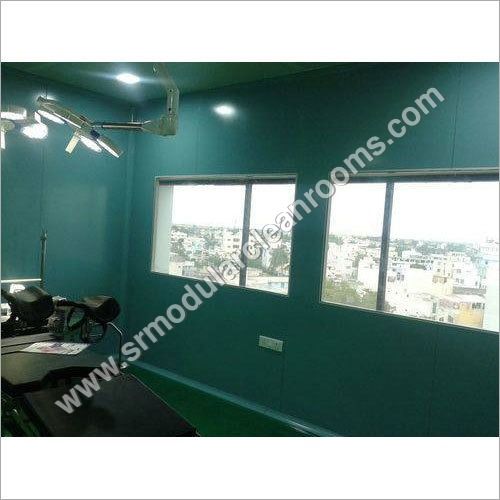
Tell us about your requirement

Price:
Quantity
Select Unit
- 50
- 100
- 200
- 250
- 500
- 1000+
Additional detail
Mobile number
Email

More Products in Wall Panel Category
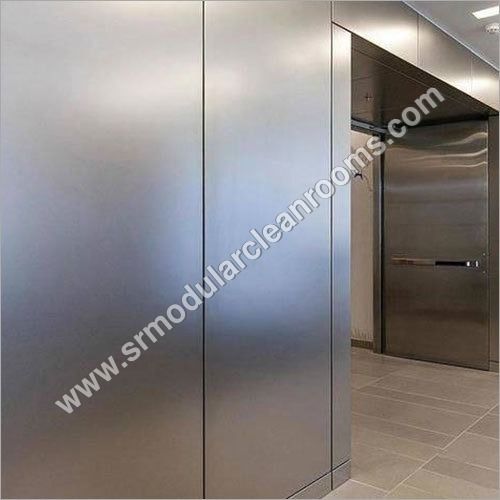
SS Wall Panels
Price Range 1800.00 - 2400.00 INR
Minimum Order Quantity : 500 Square Meters
Product Type : Other, SS Wall Panels
Usage & Applications : Interior & exterior wall cladding, clean rooms, hospitals, commercial spaces
Cutting Method : Other, Cutting with power saw, plasma cutter, or water jet
External Wall Materials : Other, Stainless Steel Sheet
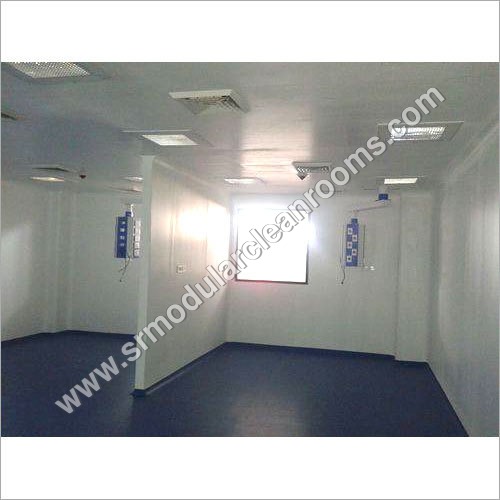
Modular Cleanroom Wall Panels
Price Range 1800.00 - 2400.00 INR
Minimum Order Quantity : 500 Square Meters
Product Type : Other, Modular Cleanroom Wall Panels
Usage & Applications : Cleanroom, Laboratory, Pharmaceutical, Food Processing, Electronics industries
Cutting Method : Other, Saw Cutting, CNC Routing
External Wall Materials : Other, Powder Coated Steel / Galvanized Iron Sheet
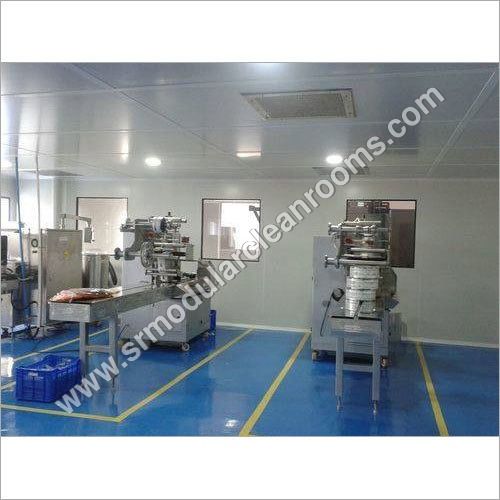
Modular Clean Room Wall Panels
Price Range 1800.00 - 2400.00 INR
Minimum Order Quantity : 500 Square Meters
Product Type : Other, Modular Clean Room Wall Panels
Usage & Applications : Pharmaceutical, Semiconductor, Healthcare, Laboratory, Electronics, Food Processing Industries
Cutting Method : Other, Laser Cutting, CNC Routing
External Wall Materials : Other, Powder Coated Steel/Aluminum Sheets
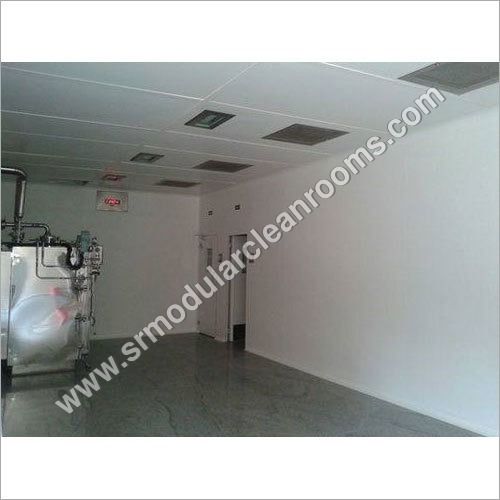
PCGI Wall Panel
Price Range 1800.00 - 2400.00 INR
Minimum Order Quantity : 500 Square Meters
Product Type : Other, PCGI Wall Panel
Usage & Applications : Wall Cladding, Cold Storage, Warehouses, Clean Rooms, Industrial Buildings
Cutting Method : Other, Cutting blade, Handsaw, or Power Saw
External Wall Materials : Other, Pre Coated Galvanized Iron

Address
SRPREFABS MODULAR CLEANROOM PVT. LTD.
GST : 36AAJCS6052L1ZX
GST : 36AAJCS6052L1ZX
- Plot-102, SVCIE, Jeedimetla,Hyderabad - 500055, Telangana, India
- Phone :08045801877
- Send Inquiry
 Send Inquiry
 Send Inquiry
 Send SMS
 |
SR PREFABS MODULAR CLEANROOM PVT. LTD.
All Rights Reserved.(Terms of Use) Developed and Managed by Infocom Network Private Limited. |
